logo
Mesaj gönder
Hebei Better United Import And Export Co., Ltd.

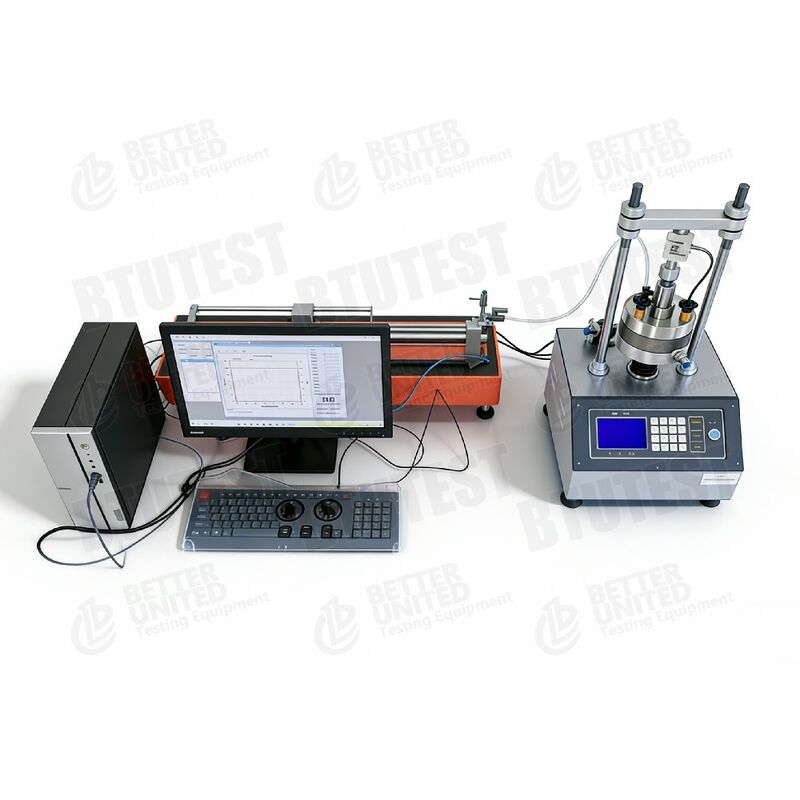
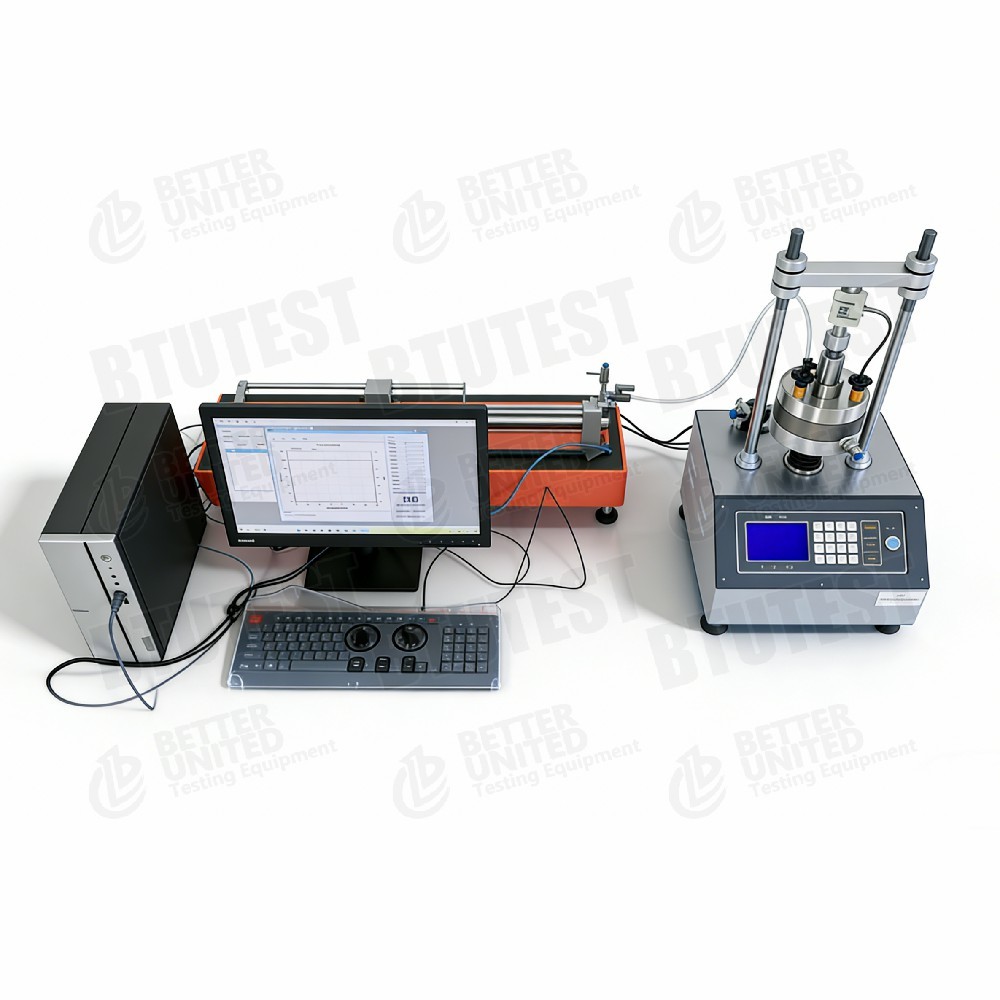
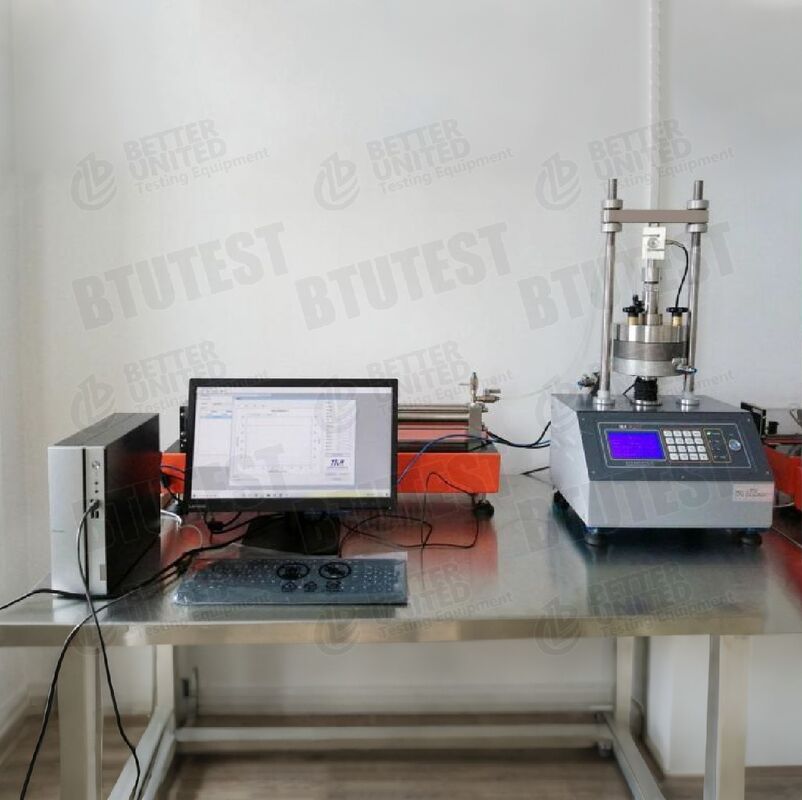
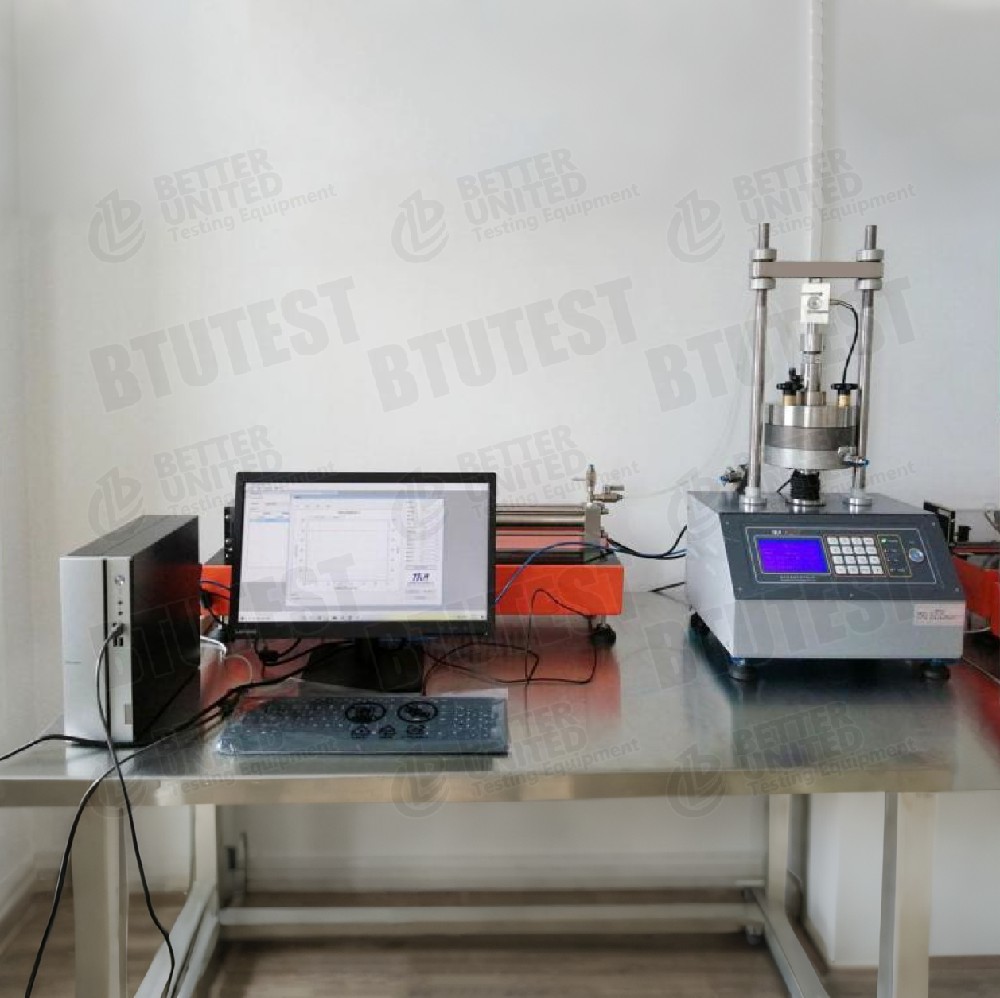
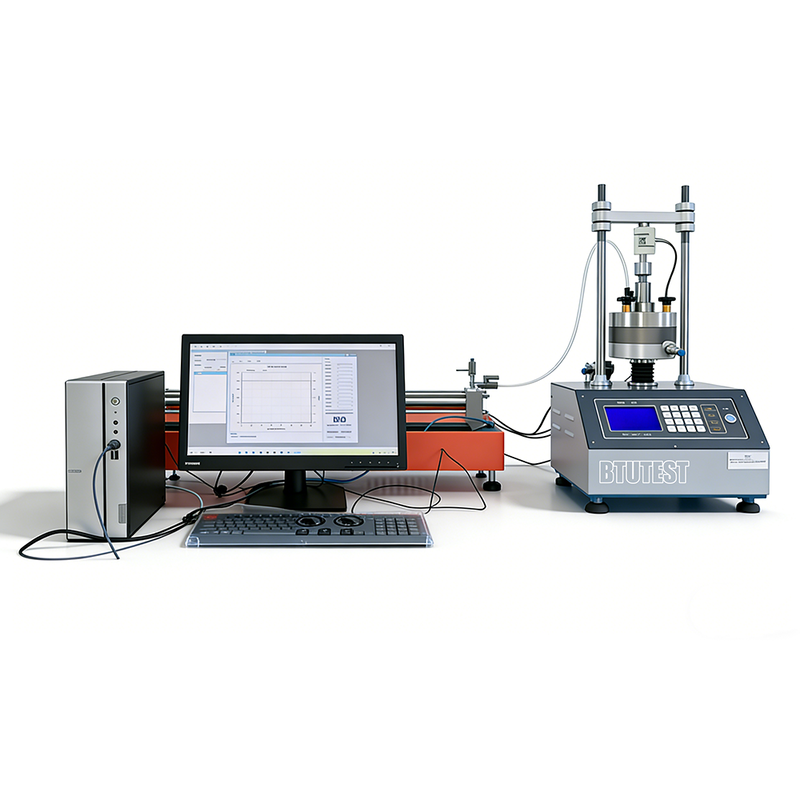
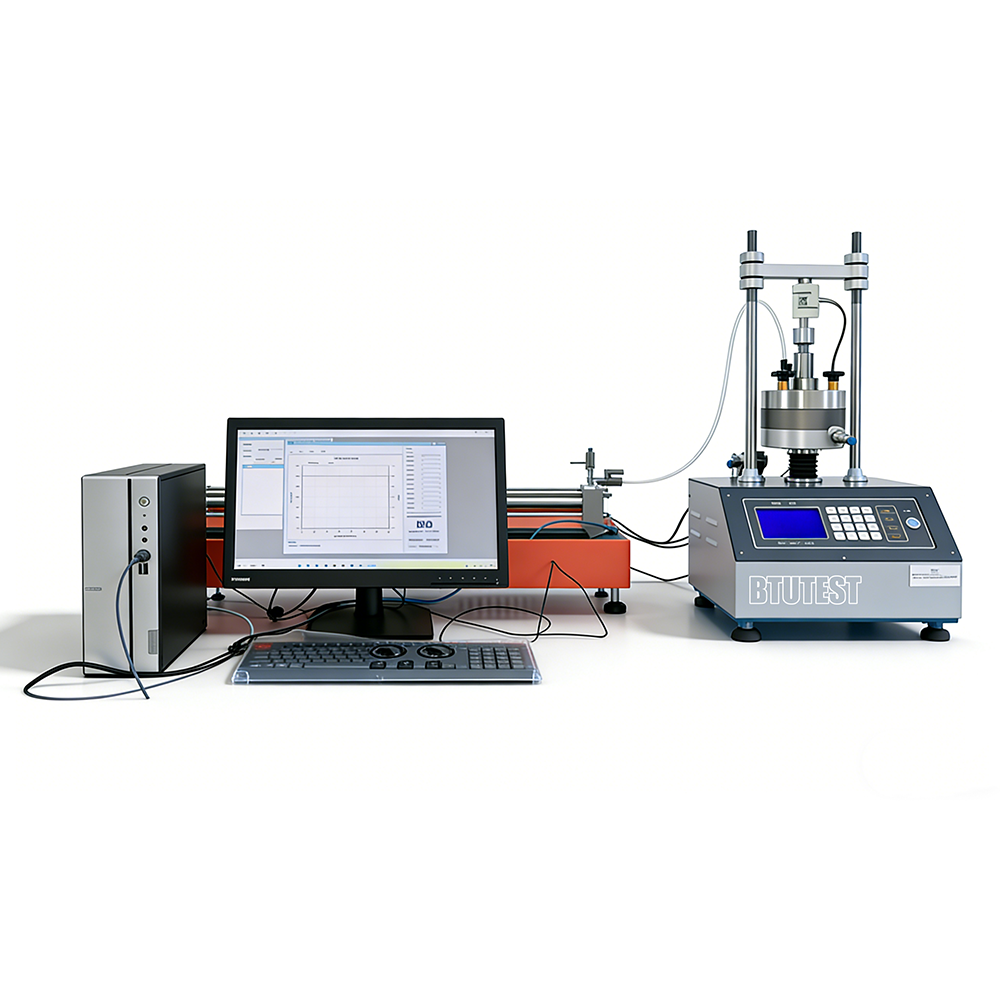
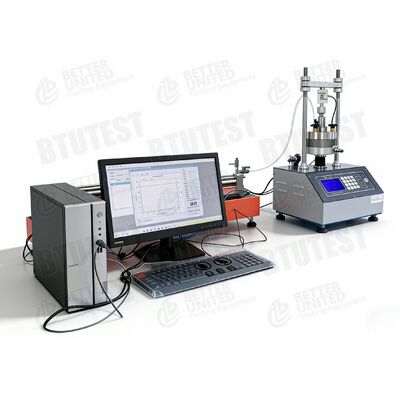
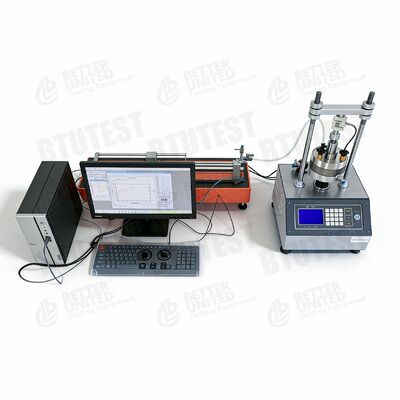
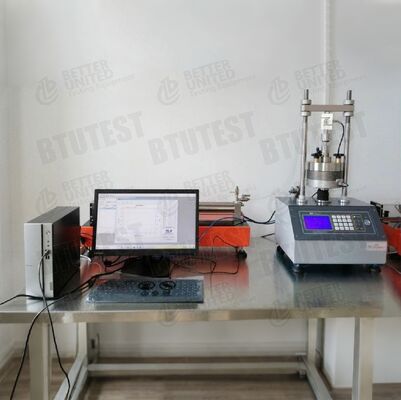
Strain‑Controlled Loading Consolidation Apparatus

Ürün ayrıntıları:
Menşe yeri: ÇİN YAPIMI
Marka adı: BTUTEST
Sertifika: SGS, INTERTEK
Model numarası: BTU-STC-1S
Ödeme & teslimat koşulları:
Min sipariş miktarı: 1 Takım
Fiyat: Pazarlık edilebilir
Ambalaj bilgileri: Toprak Test Cihazları Standart ihracat tahta kutusu
Teslim süresi: Ödemeden 6 gün sonra
Ödeme koşulları: L/C, D/A, D/P, T/T, Western Union
Yetenek temini: Ayda 100 takım
  • Detay Bilgi
  • Ürün Açıklaması

Detay Bilgi

İsim: Gerinim Kontrollü Yükleme Konsolidasyon Aparatı Garanti: 1 Yıl
Numune boyutları: Φ61,8 × H20 mm ve Φ61,8 × H40 mm Maks. eksenel kuvvet: 10kN
Dahili veri kaydedici: 4 kanal Yük hücresi: 0‑10 kN, doğruluk ±%0,1 FS

Ürün Açıklaması

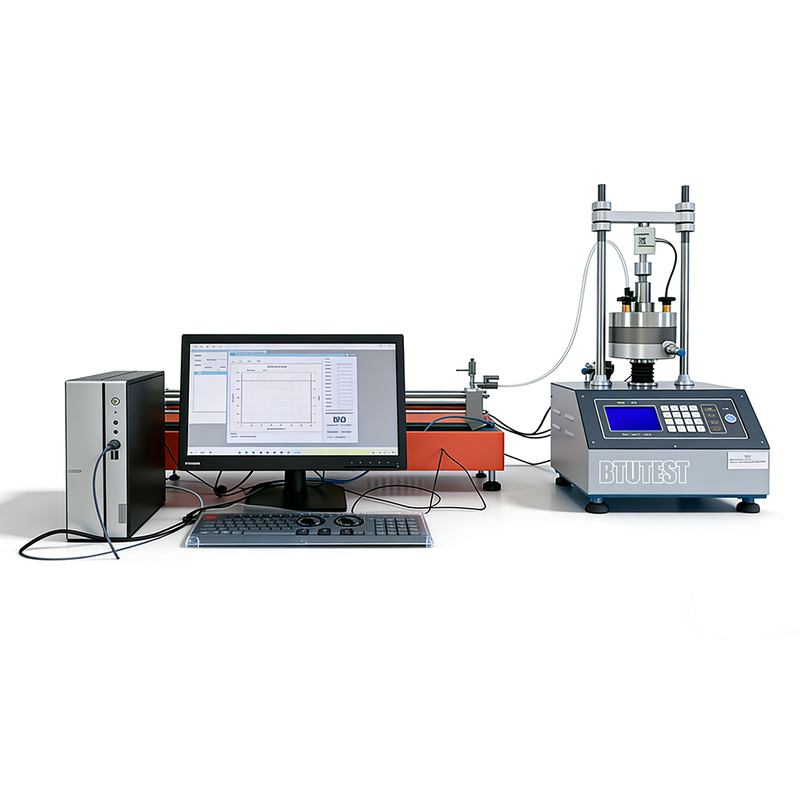
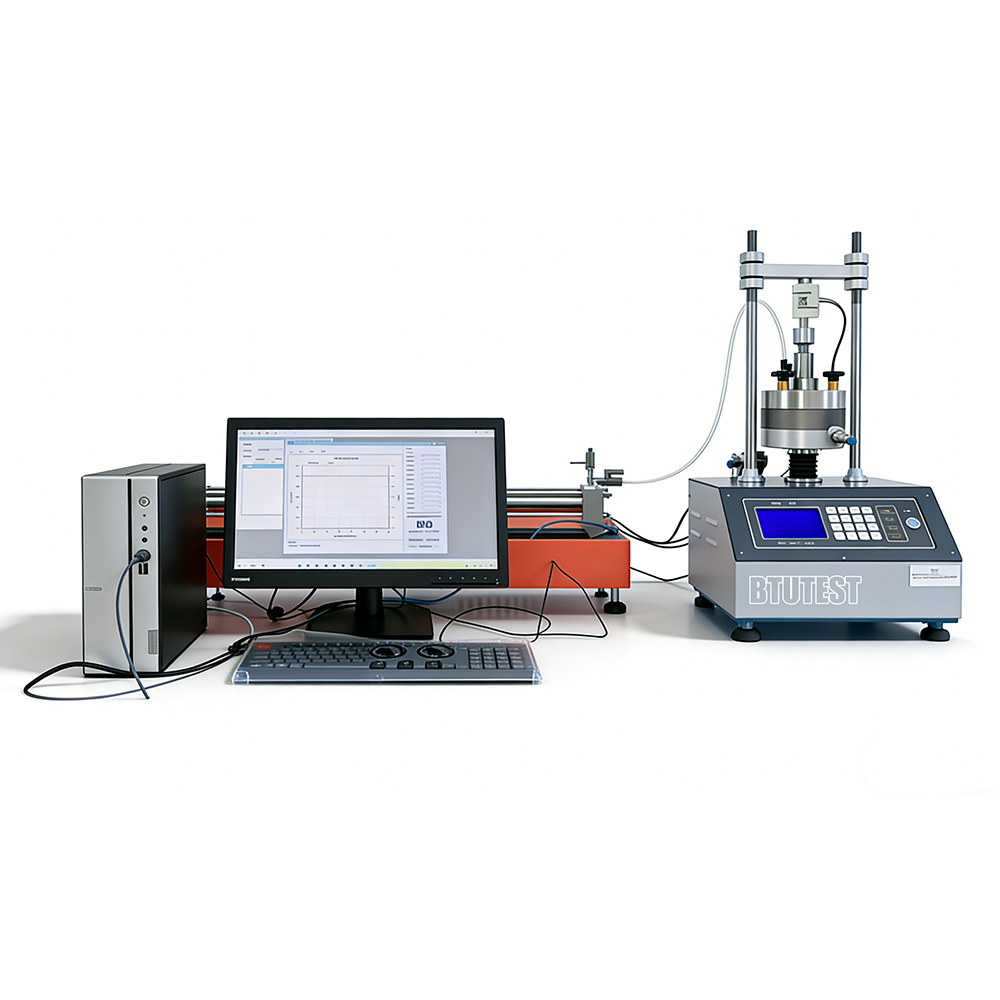
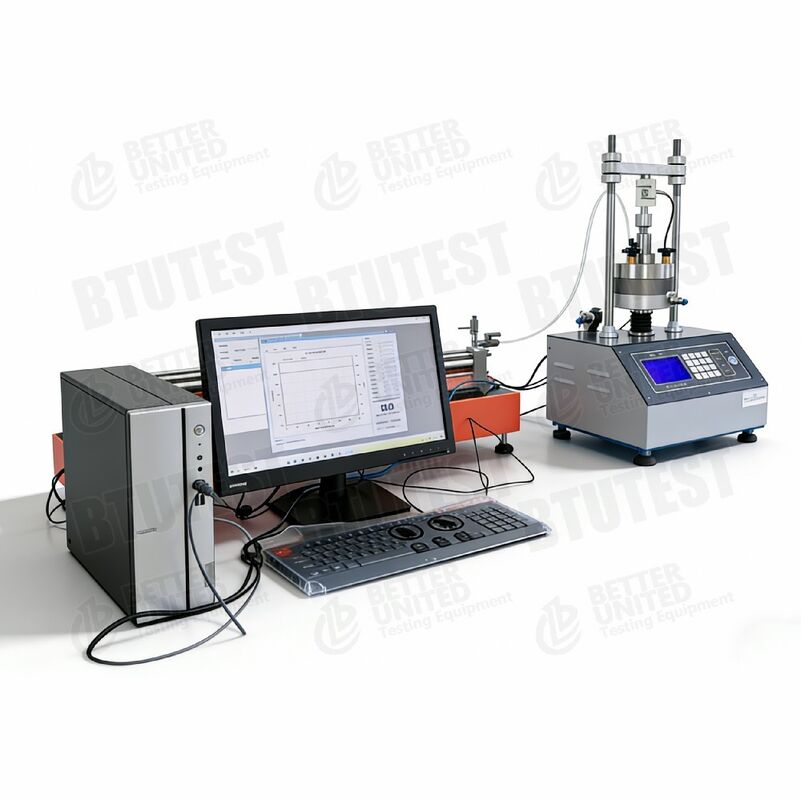
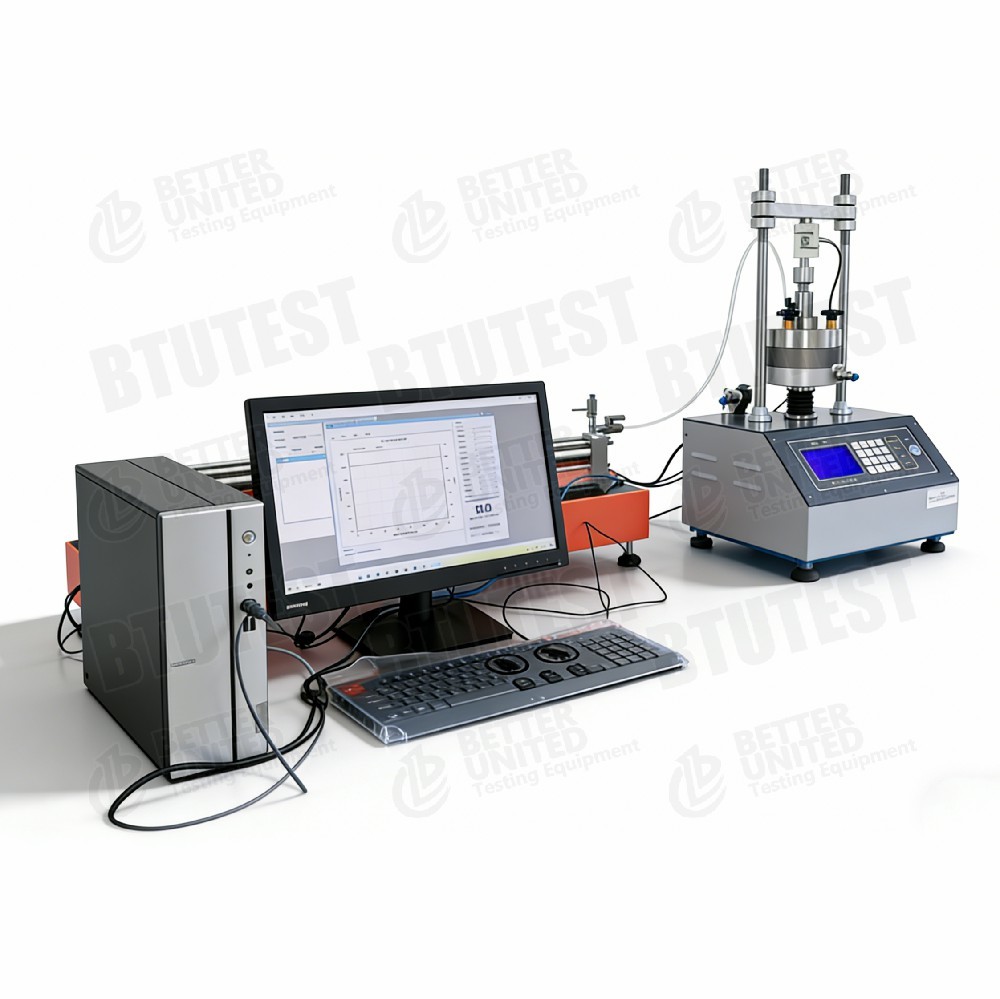
Strain‑Controlled Loading Consolidation Apparatus

Model BTU-STC-1S


Description

This equipment is a strain‑controlled loading consolidation apparatus(constant rate of strain – CRS), model BTU-STC-1S, used to perform strain‑controlled loading consolidation tests (CRS) with real‑time pore pressure measurement. Main features:

  • Specimen sizes: Φ61.8×H20 mm and Φ61.8×H40 mm
  • Load frame: maximum axial force 10 kN, built‑in 4‑channel data logger
  • Load cell: 0‑10 kN, accuracy ±0.1% FS
  • Pore pressure sensor: 0‑3.2 MPa (accuracy not stated, assumed ±0.1% FS)
  • Supplied with computer‑based data acquisition and control software

Test Standards (International)

  • ASTM D4186(Constant rate of strain consolidation – CRS)
  • ASTM D2435(One‑dimensional consolidation – CRS is a derived method)
  • ASTM D4546(Load‑unload‑reload consolidation)
  • ISO 17892‑5(Consolidation test)
  • BS 1377‑6(Consolidation test)


The equipment can meet the requirements of these standards for loading, displacement measurement, pore pressure monitoring, etc.

Specification

Parameter Specification
Model BTU-STC-1S
Instrument name Strain‑controlled loading consolidation apparatus
Specimen sizes Φ61.8 × H20 mm and Φ61.8 × H40 mm
Max. axial force 10 kN
Built‑in data logger 4 channels
Load cell 0‑10 kN, accuracy ±0.1% FS
Pore pressure sensor 0‑3.2 MPa (accuracy assumed ±0.1% FS)
Software Computer‑based data acquisition and control software
Test function Strain‑controlled loading consolidation (CRS) with pore pressure measurement


> Note: The loading rate range, displacement stroke, etc., are not specified – refer to the product manual.

Detail

  • Strain‑controlled loading (CRS)– Loads the specimen at a constant axial strain rate (e.g., 0.01 mm/min), continuously recording axial stress, strain, and pore pressure, thereby rapidly obtaining consolidation parameters (Cv, Cc, Pc, etc.).
  • Two specimen heights– 20 mm (conventional) and 40 mm (longer drainage path).
  • Real‑time pore pressure measurement– Monitors pore water pressure during consolidation, useful for calculating Cv and effective stress paths.
  • Built‑in 4‑channel data logger– Simultaneously records axial load, displacement, pore pressure, etc.
  • Maximum axial force 10 kN– Corresponds to a maximum axial stress of about 3.3 MPa (for Ø61.8 mm specimen), suitable for most soil consolidation tests.
  • High‑precision load cell– ±0.1% FS, reliable data.
  • Computer software– Fully automatic test control, real‑time display of stress‑strain and pore pressure‑strain curves, automatic calculation of consolidation parameters.

Application

  • Rapid consolidation testing– CRS saves significant time compared to traditional step loading, suitable for batch testing.
  • Low‑permeability soils– For clays and other low‑permeability soils, CRS efficiently provides consolidation coefficients.
  • Effective stress analysis– Pore pressure measurement allows study of effective stress changes during loading.
  • Soft soil subgrades– Evaluate consolidation characteristics for settlement prediction.
  • Research and teaching– University soil mechanics laboratories, research institutions.

Advantages

  • CRS rapid consolidation– Can save more than 80% of test time compared to step loading.
  • Real‑time pore pressure measurement– Provides additional effective stress information, improving calculation accuracy.
  • Two specimen heights– Flexibility for different research purposes.
  • Built‑in data logger– Highly integrated, reduces external equipment.
  • High‑precision sensors– 0.1% FS, meeting research requirements.
  • Fully automatic software– Automatic control, acquisition, calculation, reducing human error.

What To Choose

Select this equipment or compare with other models based on testing requirements:


Requirement Recommendation Reason
Need rapid consolidation parameters (CRS) This apparatus is very suitable Dedicated CRS consolidation
Need real‑time pore pressure measurement Standard pore pressure sensor included Enables effective stress analysis
Only routine step‑loading consolidation Consider a traditional consolidometer (lower cost) CRS function adds cost
Need higher axial force (>10 kN) Do not choose this model; select higher‑capacity Maximum is 10 kN
Need larger specimen size (e.g., Ø100 mm) Not available; custom or other model needed Only supports Ø61.8 mm
Limited budget but want rapid consolidation Manual strain control not recommended Automatic CRS requires closed‑loop control

Process Flow

Example:CRS consolidation test (constant rate of strain)


  • Specimen preparation
    • Cut undisturbed or remoulded specimen using a Φ61.8×20 mm or 40 mm ring.
    • Measure initial water content and density; saturate if required.


  • Specimen installation
    • Place the specimen into the consolidation cell (with porous stones and filter paper), connect the pore pressure sensor.
    • Install the displacement sensor.
    • Position the cell in the load frame and connect the axial load cell.


  • Set test parameters
    • In the software, select “CRS consolidation module”.
    • Set a constant strain rate (e.g., 0.01 mm/min).
    • Set maximum axial strain (e.g., 20%) or maximum axial force (10 kN).
    • Set data acquisition interval (e.g., 1 second).


  • Start the test
    • Start the servo loading system to push the piston downward at a constant rate.
    • Software records axial force, axial displacement, pore pressure, and time in real time.
    • Plots stress‑strain curve and pore pressure‑strain curve.


  • Stop condition
    • Automatically stops when the preset strain or maximum axial force is reached.


  • Disassembly and cleaning
    • Unload, remove the specimen, weigh and dry to measure final water content.
    • Clean the consolidation cell and sensors.


  • Data processing
    • Based on CRS theory, the software automatically calculates:
      • Coefficient of consolidation (Cv) from pore pressure and loading rate
      • Compression index (Cc), rebound index (Cs)
      • Pre‑consolidation pressure (Pc)
      • Coefficient of permeability (k) (indirectly)
    • Generates a test report.


Summary:

  • BTU-STC-1Sis a strain‑controlled loading consolidation apparatus for CRS rapid consolidation tests, with a maximum axial force of 10 kN, pore pressure measurement, and suitable for rapid determination of consolidation parameters for fine‑grained soils.

Bizimle temasa geçin

Mesajınız Girin

Bunların İçinde Olabilirsiniz